Choosing products
dōTERRA Frankincense: scent, botanical identity and buying advice
Look beyond the reputation of Frankincense and get to know the actual product. Botanical identity, scent, format and instructions make a more useful buying guide than a list of promises.

TerraOils is an independent Nova Group-operated dōTERRA Wellness Advocate store. This guide was prepared by the TerraOils Editorial Team.
Frankincense is often introduced with grand language. A more useful introduction starts with a simple question: do you enjoy a woody, resinous scent enough to choose it over the other products on your shortlist?
You do not need to regard it as the centre of an essential-oil collection. You need to know which product you are buying, what its regional directions permit and whether its character appeals to you.
What is dōTERRA Frankincense?
The reviewed 15 ml product names Boswellia carterii, frereana, sacra and papyrifera. dōTERRA describes its aroma as woody, floral and resinous. The regional directions are for topical use, with dilution specified for different applications.
Those details are more useful than the idea that “frankincense” must always mean one botanical species or one identical formulation. Compare the actual product information rather than treating every bottle carrying the name as equivalent.
The aroma description gives you a direction to consider. If you normally prefer bright, simple citrus scents, a resinous profile may or may not be what you want. There is no need to buy it before you have answered that preference question.
What can you realistically expect from the purchase?
Expect a particular aromatic product, not a collection of medical outcomes. Its place in a routine depends on liking the scent and following an appropriate labelled use.
A premium-sounding name is not evidence that you need the product. Neither is the length of time a botanical has been discussed historically. Stories can give context, but your buying decision still needs the same checks as any other oil: formulation, directions, cautions and cost.
If you are choosing mainly because of something you read about disease treatment, stop and separate that question from this retail product. The guide does not recommend Frankincense for treating or preventing illness.
Bottled oil, Touch or a different Boswellia product?
These are different comparisons. A prepared topical product has its own formulation and instructions. A bottle of essential oil should not inherit the directions of a roll-on. Equally, a supplement containing a Boswellia ingredient is not automatically the same product as an essential oil.
You cannot work backwards from the shared plant name to an equivalent dose or effect. Check the full product name and category before reading a claim or comparison.
For the standard bottle, decide whether you are comfortable following the specified dilution. If you prefer a prepared topical format, inspect that product on its own terms rather than assuming it offers the same amount of oil in a smaller bottle.
Our guide to product formats explains why this distinction also affects price comparisons.
Read the topical directions before planning a routine
The regional Frankincense information contains dilution instructions and cautions, including possible skin sensitivity, keeping it away from children and seeking medical advice where pregnancy or treatment applies. Do not assume that a warm, resinous aroma makes a concentrated product suitable for direct application.
Choose one permitted use you understand. Resist the temptation to improvise several new applications at once or add oil to an entire finished cosmetic. A clearly labelled, simple routine is easier to evaluate than a mixture whose contents and concentration you have not recorded.
For help interpreting a dilution instruction, read how to dilute essential oils for skin use. The product-specific directions remain the starting point.
Compare it with the products you already own
Before adding Frankincense, ask whether you want a new scent direction or are buying another product with a similar role. Both can be reasonable choices, but they should be deliberate.
Compare the official aroma descriptions and ingredient lists. A woody blend may appeal more than a single named product, or less. A set containing Frankincense may include several items you did not otherwise want. Use our set-versus-individual guide before judging the complete offer by one desirable bottle.
Also compare the actual current price and size. This guide does not assume that a particular brand product is always the most expensive, always discounted or available in every country.
A sound reason to choose it
“I like this aromatic direction, I understand the product and I want its labelled use” is a sound reason. “It is supposed to be the most important oil” is not a useful buying standard.
Check the current TerraOils product page, review the source information and choose the format that fits. Leaving it off your first order is equally reasonable if another product is a better match.
Does Frankincense always mean one species?
No. Read the botanical information for the exact product. The dōTERRA bottle reviewed here names several Boswellia species.
Is the essential oil equivalent to a Boswellia supplement?
Do not treat them as equivalent. Product type, ingredients, preparation and instructions need to be evaluated separately.
Should every beginner buy Frankincense?
No. Start with preferences, intended use and budget, not a hierarchy of supposedly indispensable oils.
Products mentioned in this guide
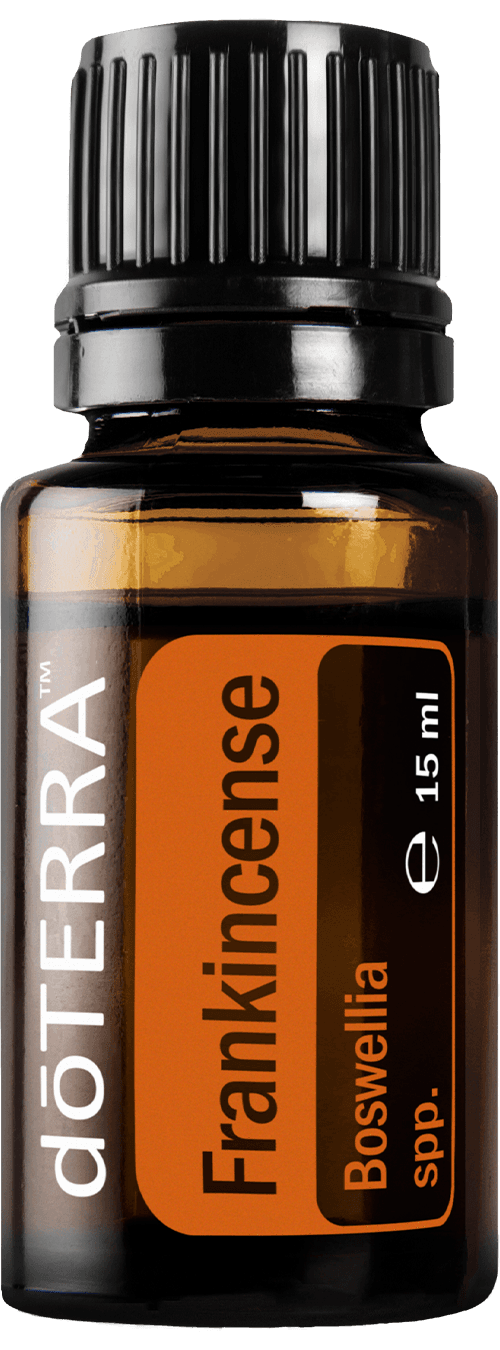
15 ml
Frankincense
Your next step
Explore dōTERRA Frankincense
Explore dōTERRA Frankincense